

 Analysis by Gamescozy
I’d consider Last Extract if I wanted an adventure game built around making a risky push, gathering what I can, and trying to get out in one piece. That premise gives each outing a practical question: should I keep searching for more, or leave while I still can? It’s a more focused hook than a broad promise of exploration, and it helps the game stand out for players who enjoy tension created by their own choices.
Is Last Extract the right kind of adventure?
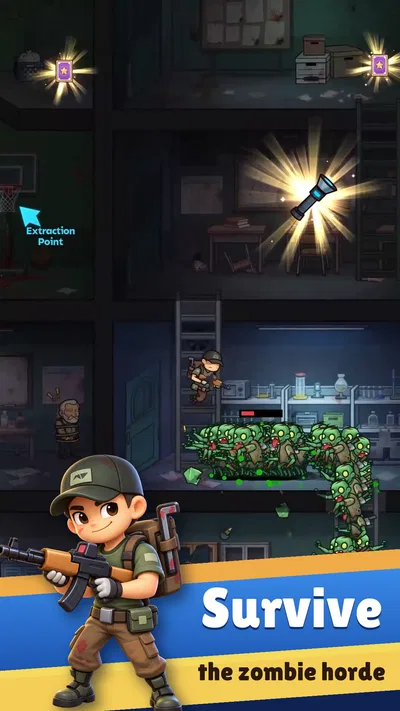
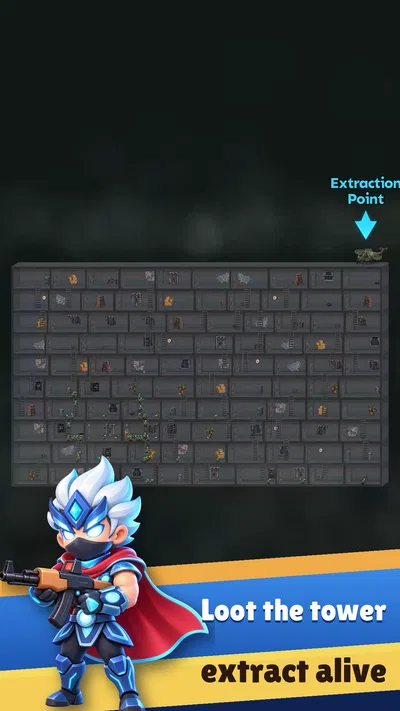
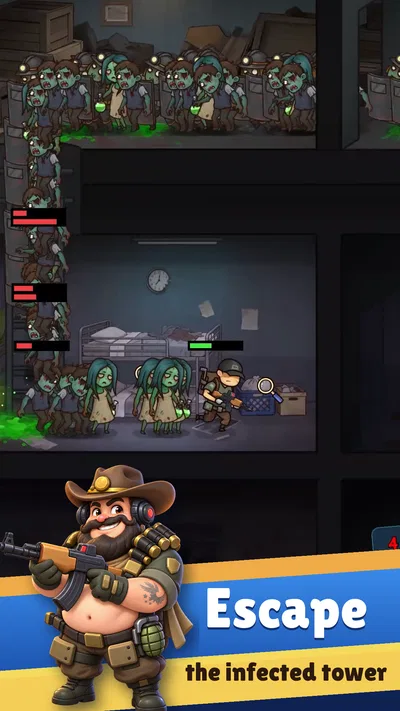
The key decision is whether you enjoy weighing reward against danger. The game’s central loop, as presented, is about looting resources, facing a horde, and escaping alive. That naturally favors alert, goal-oriented play over a leisurely stroll through a story-rich world. I’d approach a run with a simple plan: collect what seems worthwhile, keep the threat in mind, and decide when enough is enough.
That makes it a good match for someone who likes a clear objective but doesn’t want every moment to feel predetermined. The appeal is not just reaching an endpoint; it’s deciding how much risk to accept on the way. If you usually enjoy adventure games that make resource collection feel consequential, this has a promising foundation. If you prefer relaxed exploration, elaborate dialogue, or a long narrative as the main attraction, its survival-and-escape emphasis may feel narrow.
VOODOO is the developer, and the game is listed in the adventure category. The combination matters: this isn’t best approached as a pure action game where forward movement is the only answer. The resource-gathering part implies that attention and restraint matter alongside facing enemies. My practical advice would be to treat a promising haul as a reason to reassess, not automatically as an invitation to push farther.
What makes its risk-and-reward loop appealing
The most useful way to think about a run is as a sequence of decisions rather than a checklist. Searching takes attention; confronting the horde raises the stakes; leaving means giving up the chance to find more. Even without assuming any particular inventory system or combat trick, that structure gives the player a meaningful trade-off. The strongest moment is likely to be the pause where I ask myself whether one more detour is worth jeopardizing what I’ve already gathered.
One concrete tip is to set a personal exit condition before a run. It could be as simple as deciding that once I have a useful amount of resources, I’ll prioritize leaving instead of searching every corner. That kind of self-imposed rule can prevent greed from turning a successful outing into a needless gamble. It also makes repeat play more intentional: I can experiment with cautious and ambitious approaches without needing to assume that the game offers a particular set of difficulty options.
A second practical insight is to distinguish between a run that is going well and a run that is merely still going. In a game built around escape, staying alive for longer is not automatically success if the aim is to get out with what I found. Players who tend to overstay in loot-focused games may benefit from making the exit decision early, before the pressure of a close call makes it for them.
A third useful approach is to keep sessions focused. The premise lends itself to short, self-contained attempts: go in with a goal, pay attention to how much danger you’re accepting, and finish by deciding whether the next run should be more cautious. That can make the game easier to fit into a break than an adventure that expects me to remember a sprawling plot or manage a long chain of objectives. I would still judge the actual pacing after playing, rather than assume every session has a particular length.
Where it has an edge over familiar alternatives
Compared with a conventional story-led adventure, Last Extract puts a sharper emphasis on immediate decisions. A narrative-focused game is usually the better pick when I want character development, a carefully paced plot, or exploration for its own sake. Here, the hook is more direct: resources are tempting, danger is present, and leaving alive is part of the goal. That can make it easier to understand what I’m doing from the start, though it may offer less of the broader emotional range that a story-first game provides.
It also differs from an uncomplicated action game. If I want constant combat with little reason to hesitate, an action-focused alternative may suit me better. The extraction premise gives restraint a role: sometimes the sensible move is not to chase every opportunity. That tension is the game’s distinctive appeal, but it can also be a source of frustration for anyone who dislikes losing progress or prefers a more forgiving, steadily advancing experience.
Against a purely relaxed resource-collection game, the horde and escape objective point toward a more pressured mood. I wouldn’t choose it expecting a soothing background activity. It seems better suited to players willing to pay attention and make quick judgments about whether to continue. If I’m tired and want something I can play without thinking much about consequences, a gentler collection or exploration game would be the safer choice.
What to expect before installing
The game is free to download, with in-app purchases listed from $0.99 to $109.99 per item. That broad range is worth noticing before I start. I’d first play with the free entry point and decide whether the core loop holds my interest before spending anything. The existence of purchases doesn’t, by itself, tell me what they contain or whether they affect progression, so I wouldn’t build a buying decision around assumptions. A sensible rule is to spend only if I understand exactly what an item offers and already know I want to keep playing.
For an adventure game, the listed age rating is Teen. That is useful context for families, but it doesn’t replace checking the game’s presentation and the device’s purchase controls. If a younger player will use the device, I’d review those settings in advance rather than rely on the age label alone. The game’s premise includes a horde and survival pressure, so it is not framed as a purely gentle adventure.
The current version is 0.0.37, and the minimum operating system is Android 8.0. Those details matter most if I’m installing on an older device or deciding whether to try an early-stage release. A version number in this range can be a reason to keep expectations measured: I’d focus on whether the central play loop works for me and allow for the possibility that the experience may continue to change. I would not assume that a particular feature set or level of polish is guaranteed by the version number alone.
There is visible interest from players: the game has an average rating of 4.4 from around 36,000 ratings, alongside roughly 1,300 written reviews, and it has passed one million installs. Those figures suggest a substantial audience and a generally favorable reception, but they can’t answer the most important personal question: whether I enjoy the tension of deciding when to leave. I’d use them as reassurance that the game has drawn attention, not as a substitute for trying its premise myself.
Who should choose it—and who should pass
I’d recommend Last Extract to players who enjoy compact, high-stakes objectives and are comfortable adjusting their plans as danger builds. It is especially promising for someone who likes scavenging but wants the collection phase to feel connected to a clear escape goal. If I enjoy thinking, “I have enough; should I risk one more search?” this is the kind of premise likely to keep me engaged.
I’d be more cautious if I’m looking for a substantial plot, a calm world to wander through, or a game where every attempt reliably feels like forward progress. The extraction structure makes risk central, and that means some choices may feel frustrating when ambition outweighs caution. Players who dislike pressure or setbacks may find a traditional adventure with predictable checkpoints a better fit.
It may also be the wrong option if I want to know every detail of a game’s systems before starting. The central idea is easy to grasp, but players who need a fully explained plan before committing may prefer an alternative whose progression and mechanics are familiar from the outset. I’d install with modest expectations, learn the rhythm through a few attempts, and then decide whether the tension feels exciting or simply stressful.
My recommendation after weighing the trade-offs
For me, the reason to try Last Extract is its clear decision-making hook: searching for more has to compete with the need to get out alive. That gives the adventure a more purposeful feel than collecting resources just for their own sake. The best way to enjoy it is to set a goal for each attempt, watch how much risk you’re taking, and be willing to leave before greed takes over.
I’d start with the free version and treat the first sessions as a test of the core loop, not a commitment to spend or to master every detail. If I find myself thinking carefully about when to push and when to escape, the game is doing what I want from this kind of adventure. If I’m mainly wishing for a calmer pace or a stronger story, I’d switch to a less pressure-driven alternative instead. With an average of 4.4 and more than a million installs, it has earned a serious look, but its best audience is still the player who enjoys risk as part of the fun.